Microsoft Just Gave Copilot the Keys to Your Files – and Shipped a $2,599 AI Laptop to Prove It

The headline
At a San Francisco keynote on October 7, 2026, Microsoft did two things at once: it gave Copilot the keys to your files — and used a $2,599 AI laptop to show what that looks like in practice.
What actually changed
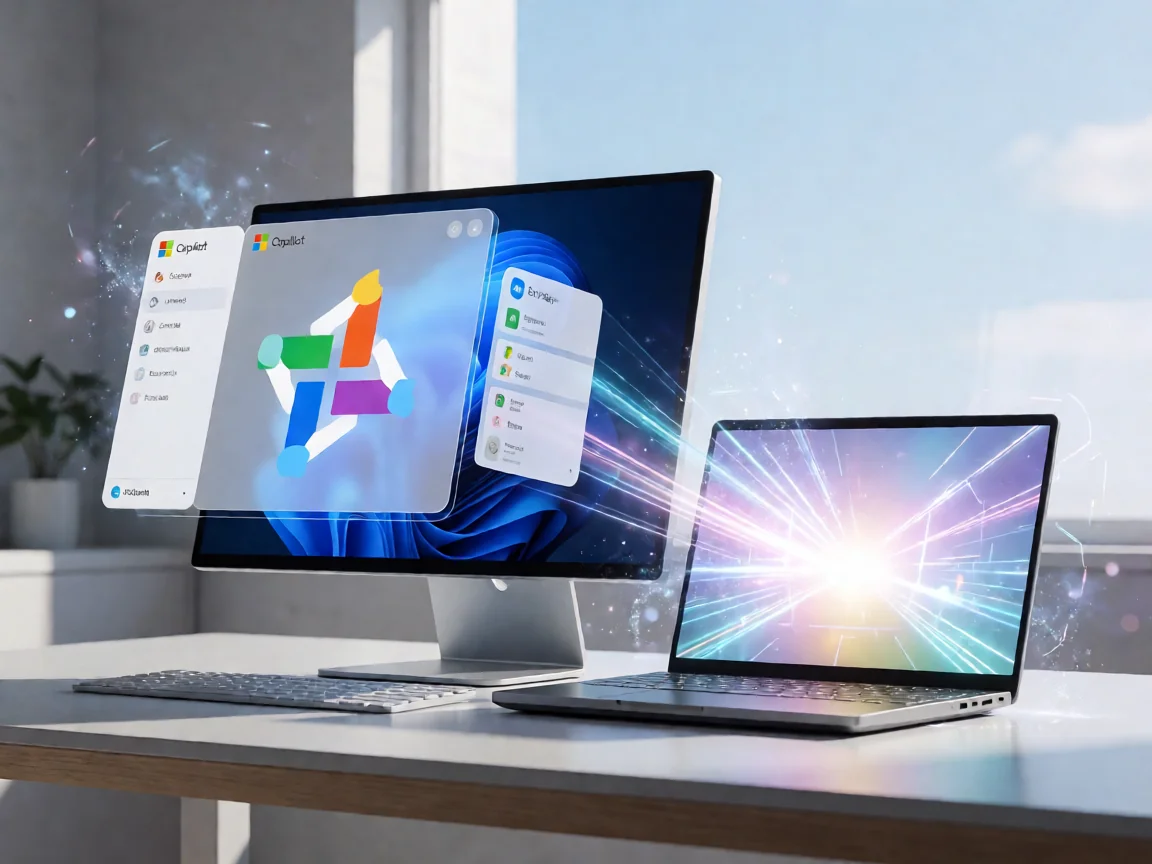
The headline is two moves at once. First, Copilot stops being a chat sidebar and starts acting on your data: broader access to local files and system context, so it can read, summarise, and act across the documents you already have. Second, Microsoft put hardware behind the pitch — a $2,599 AI laptop (a Surface-class device built around on-device NPU inference) meant to demonstrate “hybrid intelligence,” where light work runs locally and heavy work spills to the cloud. Together they signal the same bet: AI that lives inside your machine, not just in a browser tab. [ E1 our read]
Why it matters for creators
For a creator, an agent that can reach into your files is genuinely useful — it can sort a shoot’s footage, draft from your own notes, and clean up busywork without you pasting everything into a prompt. But the Wikipedia incident from earlier this month is the cautionary tale: an agent with file access is a junior assistant with the keys to the building. The convenience is real; so is the blast radius. Expect the same autonomy-versus-safety debate to land on every desktop this year. [ E1 our read]
Bottom line
Microsoft is selling a vision where the AI is always one step from your files and one chip away from doing the work itself. That is powerful, and it is exactly the moment to decide — before you turn it on — what an agent is allowed to touch without asking. Cheap on-device inference is the enabler; your file permissions are the real story. [ E1 our take]
More in this category
- AI Writing tools hub — the models powering these assistants
- Creator hardware hub — laptops and gear we test for creators
- Best AI tools for creators 2026 — our full ranking